
1) Type & Origin
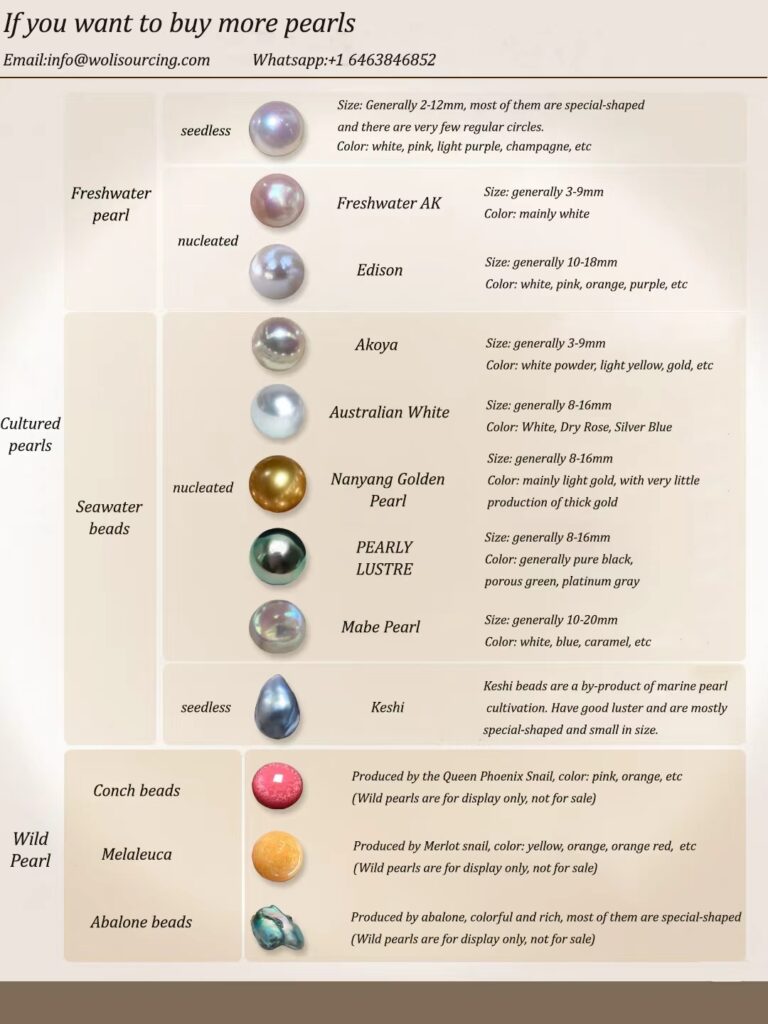
- Freshwater (China): most affordable, wide shapes/colors.
- Akoya (Japan/China): classic round white, high luster, higher price per mm.
- Tahitian (French Polynesia): natural dark hues; premium for peacock/clean surfaces.
- South Sea (Australia/Philippines/Indonesia): the largest, rarest; golden tones are especially valuable.
Learn the basics here: GIA Pearl Quality Factors.
2) Size (mm)
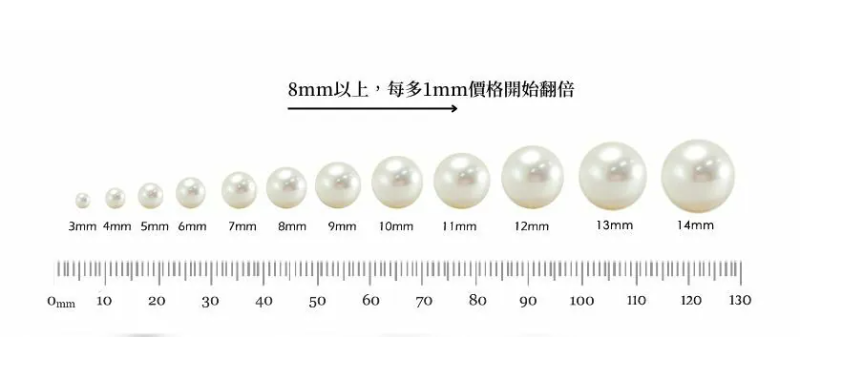
Each millimeter jump raises cost significantly. For example, 8.0mm Akoya can be double a 7.0mm of similar grade.
3) Luster & Surface
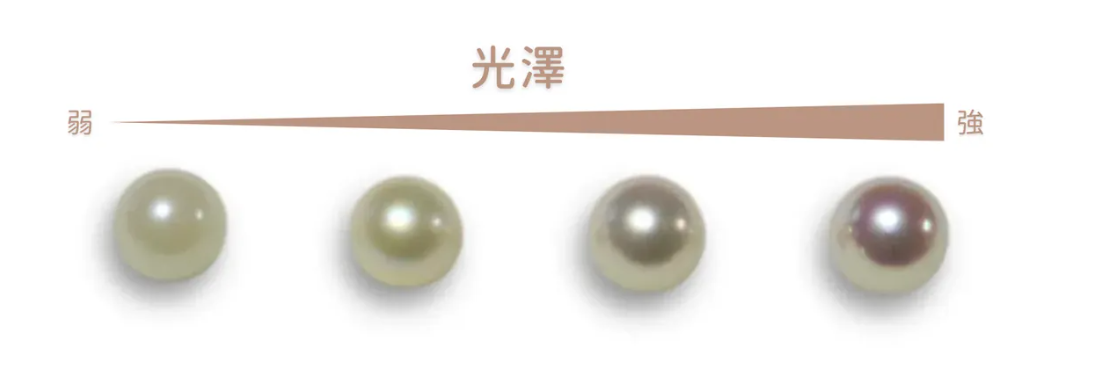
Mirror-like luster and few blemishes command premiums. Dull or heavily spotted pearls are discounted.
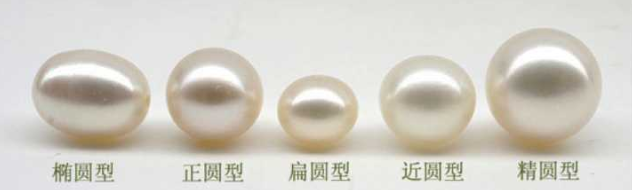
4) Shape & Matching
Perfectly round strands with consistent color/size cost more than baroque or mixed lots.
5) Color & Treatment
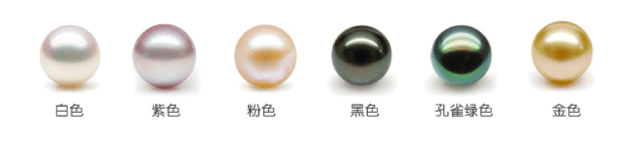
Natural black/peacock (Tahitian) and deep golden (South Sea) are pricier. Dyed “black” freshwater is cheaper—ask sellers to disclose treatments.
How Much Do Pearls Cost by Category?
Freshwater Pearls (affordable & versatile)
- Strands (6–9mm): $30–$300 depending on roundness/luster.
- Large/Edison (12–16mm): $150–$1,800+ when luster is near seawater quality.
- Baroque strands: $30–$300; excellent for artistic designs.
Akoya Pearls (classic white)
- 6–7.5mm strands: $300–$1,500.
- 7.5–8.5mm: $600–$3,000+.
- Pairs for studs (7–7.5mm): $80–$400+ depending on grade and brand.
Tahitian Pearls (natural dark)
- Singles (10–12mm): $100–$800+.
- Strands (8–12mm): $800–$12,000+, with “peacock” overtones on the high end.
South Sea Pearls (white & golden)
- Singles (12–15mm): $200–$3,000+.
- Strands (9–15mm): typically $1,500–$30,000+; deep Golden South Sea can exceed this.
“AAA” vs GIA: How to Read Quality Claims
Many retailers use A–AAA or A–AAAA labels, but the Gemological Institute of America does not grade pearls with A/AAA. GIA evaluates by seven value factors: size, shape, color, luster, surface quality, nacre (coating), and matching for strands. When comparing prices, ask for clear photos and descriptions by these factors. More from GIA: GIA—Pearl Quality Factors.
Typical Prices by Jewelry Type
- Stud Earrings
- Freshwater 7–8mm: $20–$120
- Akoya 7–7.5mm: $80–$350
- Tahitian/South Sea 9–11mm: $200–$1,200+
- Necklaces (16–18″)
- Freshwater: $60–$600+
- Akoya: $500–$3,000+
- Tahitian: $1,500–$8,000+
- South Sea: $2,500–$25,000+
- Add-ons that affect total
- Clasp/metal: sterling +$20–$60; 14K/18K gold +$120–$500+.
- Custom drilling/matching: +$10–$80+ depending on requests.
- Certification/brand: well-known brands charge premiums.
Buying Tips to Get the Best Value
- Decide type first (freshwater vs seawater). See our guides:
- Ask for macro photos/video showing luster and surface.
- Confirm treatments (e.g., dyed vs natural color).
- Check return & matching policies—important for pairs/strands.
- Compare by mm and grade—don’t compare a 7mm Akoya to a 9mm freshwater.
- Set a budget band (e.g., “Tahitian studs $300–$500”) and evaluate options within it.
FAQ: Quick Answers
Are real pearls expensive?
Real freshwater pearls can be very affordable; seawater types (Akoya, Tahitian, South Sea) are pricier due to rarity and growth time.
Why are two similar strands priced differently?
Small differences in luster, surface, and matching create large price jumps—especially above 8mm.
Do black pearls cost more?
Natural Tahitian black pearls generally do; dyed freshwater “black” is budget-friendly.