
Pearls are timeless gems, admired for their elegance and natural beauty. Today, the market mainly divides pearls into freshwater vs seawater pearls. Within these two groups, there are several unique varieties, each with its own story, appearance, and value.
This guide breaks down the most popular pearl types, explaining their origins, characteristics, and why they’re named the way they are.
Freshwater Pearls
Freshwater pearls are primarily cultivated in lakes and rivers in China. They are known for their diversity in color, shape, and affordability. Beyond the common round white pearls, freshwater pearls include some special varieties worth noting.
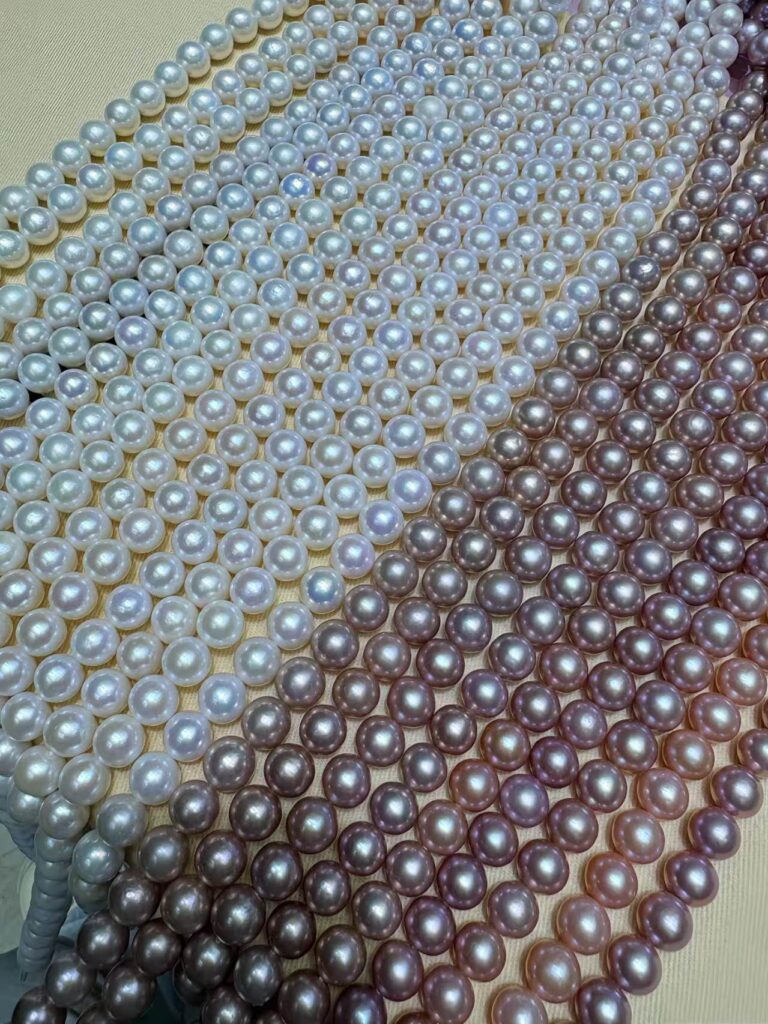
Edison Pearls
Edison pearls are a breakthrough in freshwater pearl farming developed in China.
- Why “Edison”? They are named after inventor Thomas Edison, symbolizing innovation in pearl cultivation.
- Features:
- Larger than standard freshwater pearls (up to 15–20mm)
- Strong luster comparable to seawater pearls
- Wide color range: white, pink, purple, even metallic hues
- Value: High-end freshwater pearls, often used in statement rings and pendants
Baroque Pearls
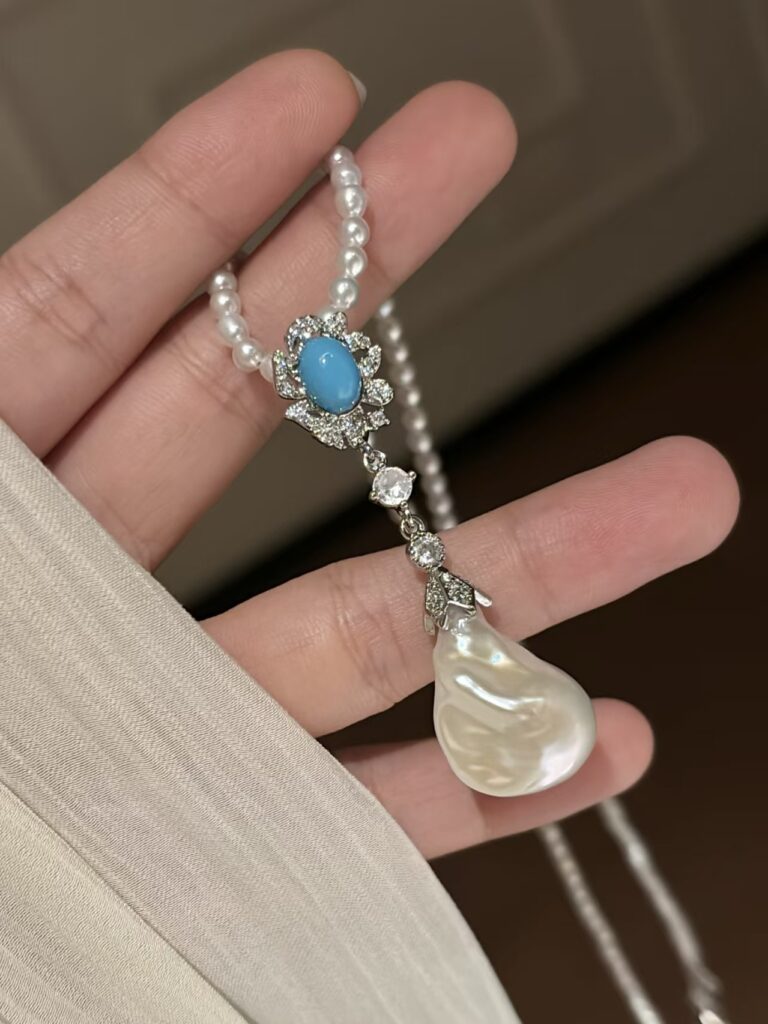
Baroque pearls are irregularly shaped pearls.
- Why “Baroque”? The term comes from the Portuguese word barroco, meaning “irregularly shaped stone.”
- Features:
- Freeform shapes: oval, teardrop, abstract
- High artistic value due to uniqueness
- Value: Perfect for bold, creative, and modern jewelry designs
Seawater Pearls
Seawater pearls are cultivated in oceans, mainly in Japan, Australia, the Philippines, and French Polynesia. They are rarer, take longer to grow, and command higher market value.
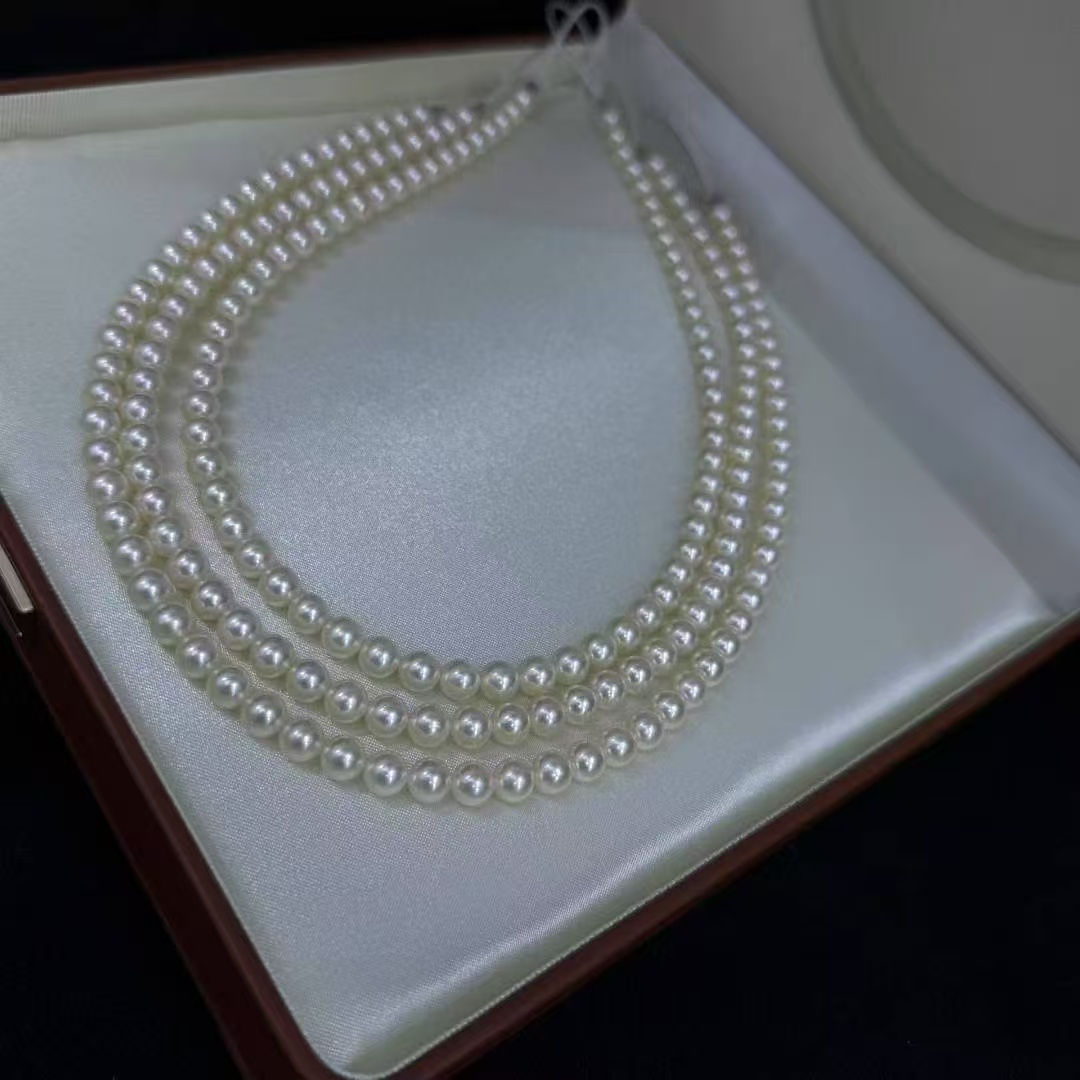
Akoya Pearls
- Origin: Japan and China
- Features:
- Small, perfectly round (6–8mm)
- Strong, mirror-like luster
- Classic white color with pink or silver overtones
- Best for: Traditional pearl necklaces and stud earrings
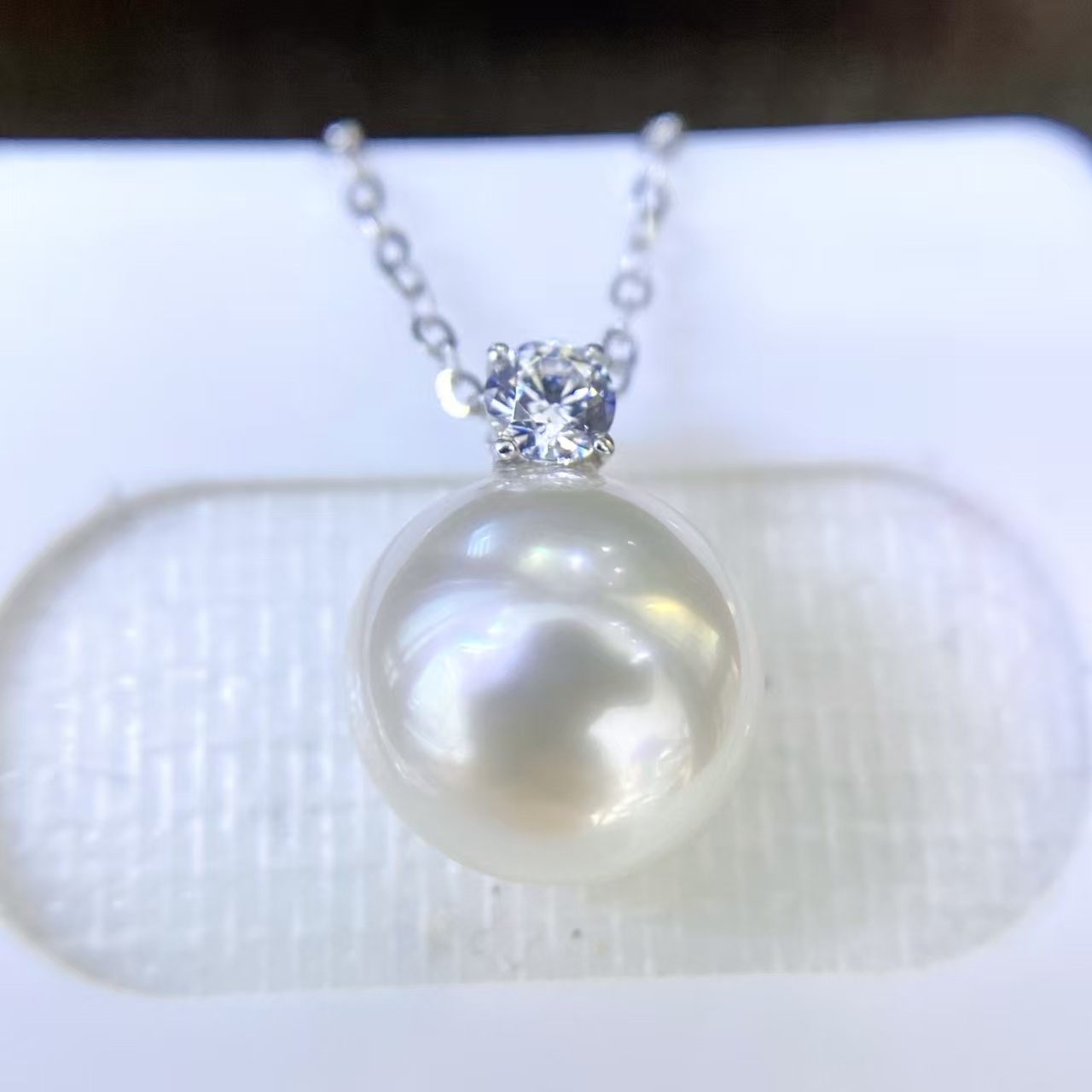
South Sea Pearls
- Origin: Australia, Indonesia, Philippines
- Features:
- Largest pearls in the world, often 12–20mm
- Soft, satiny luster
- Available in white and golden shades
- Best for: Luxury jewelry and investment pieces
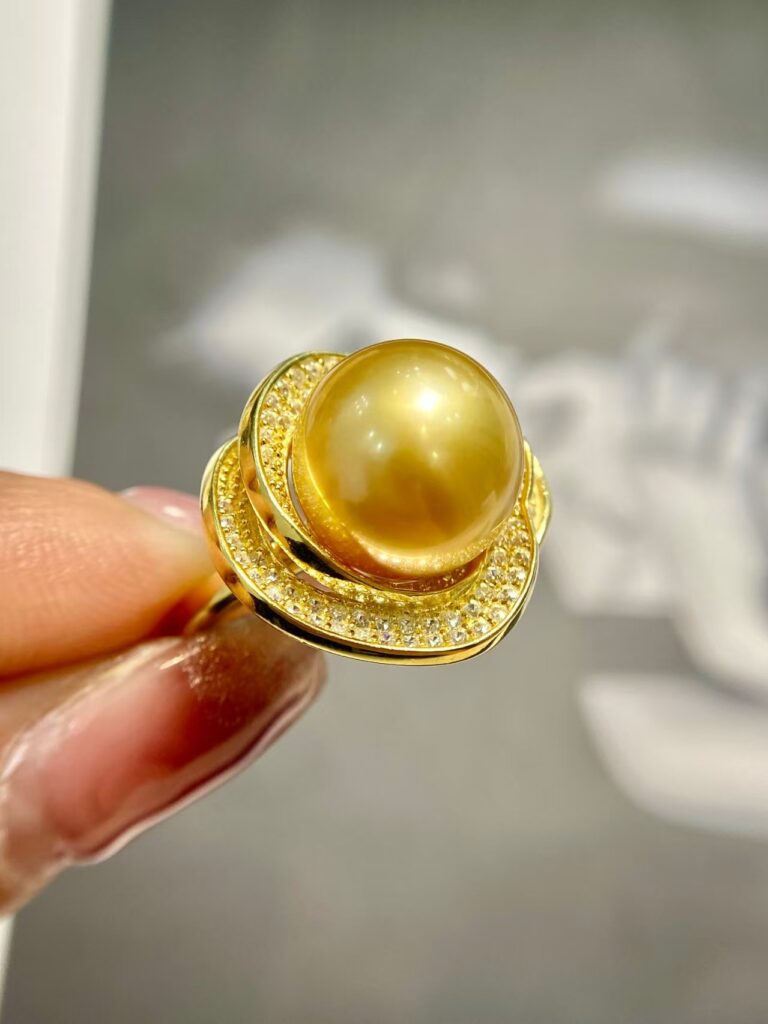
Golden South Sea Pearls
- Subtype of South Sea pearls
- Features:
- Rich champagne to deep golden color
- Highly valued for rarity and radiance
- Best for: Collectors and those seeking luxurious statement jewelry
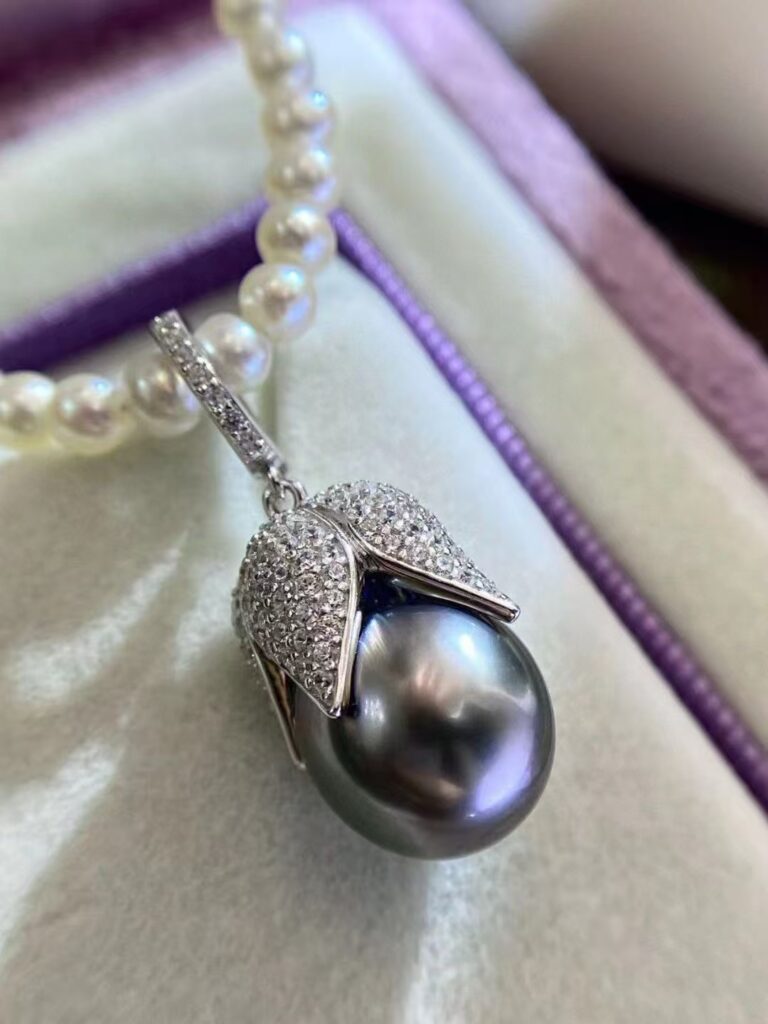
Tahitian Pearls
- Origin: French Polynesia
- Features:
- Known as “black pearls,” but colors vary: peacock green, aubergine, silver, charcoal
- Large size: 8–16mm
- Best for: Unique, dramatic jewelry designs
Freshwater vs Seawater Pearls: Key Differences
| Feature | Freshwater Pearls | Seawater Pearls |
|---|---|---|
| Origin | Lakes, rivers (mainly China) | Oceans (Japan, Australia, French Polynesia) |
| Varieties | Edison, Baroque | Akoya, South Sea, Golden, Tahitian |
| Price | Affordable, except premium Edison | Higher, luxury-grade |
| Shapes | Diverse, irregular common | Mostly round, high luster |
| Sizes | 4–12mm (some Edison up to 20mm) | 7–20mm (South Sea up to 22mm) |
How to Choose the Right Pearl
- On a budget? → Freshwater pearls (Baroque for uniqueness, Edison for luxury on a budget)
- Want large pearls? → Edison (freshwater) or South Sea (seawater)
- Classic elegance? → Akoya pearls
- Bold and exotic? → Tahitian pearls
- Luxurious investment? → Golden South Sea pearls
Final Thoughts
Whether you prefer the versatile beauty of freshwater pearls or the rare luxury of seawater pearls, understanding their differences helps you make a smarter choice. Edison and Baroque pearls showcase the creative side of freshwater farming, while Akoya, South Sea, Golden, and Tahitian pearls highlight the prestige of seawater cultivation.
By learning about these 7 types of pearls, you’ll be better prepared to choose the perfect pearl for your style, occasion, or collection.